Many Colorado Springs and El Paso County homes use septic systems, especially properties that do not connect to city sewers. If you live in one, you could end up saving money, headaches, and costly damage if you understand what goes on with yours. At Spotted Dog Excavating Sewer & Water Repair, we help area homeowners with their septic tank needs daily. Here are 10 common questions about septic tanks, explained so you’ll know what to do.
Resource: bpmhd.org
Table of contents
- 1. How Does a Septic Tank Work?
- 2. How Often Should I Pump My Tank?
- 3. What Are the Warning Signs?
- 4. What Are the Best Maintenance Practices?
- 5. How Much Does Septic Service Cost?
- 6. How Often Should My System Be Inspected?
- 7. Will the Location of My System Impact How It Functions?
- 8. What Does Seasonal Change Do to My Septic System?
- 9. What Shouldn’t Go Down the Drain?
- 10. When Should I Call a Professional for Septic Services?
- Final Thoughts
Estimated reading time: 7 minutes
1. How Does a Septic Tank Work?
Septic tanks treat the wastewater from your home automatically. This occurs by segregating the wastewater from your house into three layers, and then letting nature complete the process. Once the wastewater leaves your house, it flows into the tank. Inside the tank, the heaviest solids sink to the bottom (which is called sludge), the lighter fats and oils float to the top (which is called scum), and the liquid water in the middle (which is called effluent) is filtered into the soil through the pipes. The bacteria living in the tank are also continuously decomposing the waste solids.
2. How Often Should I Pump My Tank?
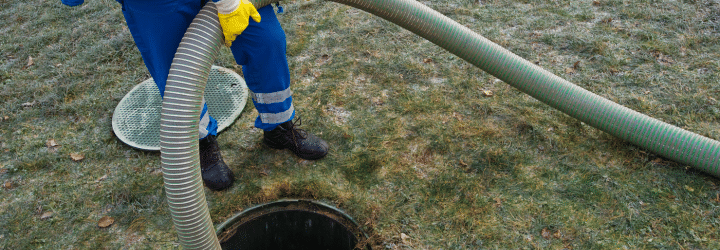
Pumping the tank every three to five years should suffice for most homes. How long your tank will go between pumping depends on the particular situation with your household or home. If the family size is large or the tank is small or water use is heavy, then it may need to be pumped more frequently than every 3-5 years. It’s wise to track when the last time it was pumped so you can pump it again before it gets too full. When too much solid accumulates, the solids may end up in the leach field, which will result in clogs, sewer backups, and very pricey repairs.
Resource: mountaintrue.org
3. What Are the Warning Signs?
There are some telltale signs that your septic system may require maintenance. This includes slow drains or noises such as gurgling pipes in the home, sewage smells inside the home or in the yard, standing water in the yard near the drain field, or unusually lush growth in the leach field grass. The ultimate red flag to call the septic company right away is to have a sewage backup. The sooner you catch the signs, the sooner the problem can be fixed and the less expensive your repairs will likely be, so don’t ever disregard any of these signs.
4. What Are the Best Maintenance Practices?
It’s important to be conscientious about some simple habits that can keep your septic system functioning properly:
- Perform routine inspections and pump-outs on schedule.
- Be conscious of water use and conserve whenever possible.
- Maintain current, accurate maintenance logs for your tank.
- Keep the drain field free of heavy machinery, vehicles, and dense vegetation with deep roots.
- Space out laundry and other high-water use chores throughout the week.
These steps will ensure your tank continues to run well and help you avoid expensive repairs by handling issues at the earliest signs of trouble.
5. How Much Does Septic Service Cost?
Septic tank pumping can run you several hundred dollars to over a thousand dollars, depending on the size of the tank, how hard it is to access, and other factors such as the overall condition of the system. Septic repairs, depending on the type and scope, can be expensive, particularly if your drain field is replaced or a full system replacement is needed. Regular maintenance is worth it in the long run. It costs much less to perform routine maintenance and inspections than to call for emergency repairs and install a new septic tank before it needs replacing.
6. How Often Should My System Be Inspected?
Every 1 to 3 years, depending on the type of system and the size of your family, you should have your septic tank and drain field inspected. The contractor will assess the levels of solids and sludge in the tank, identify signs of damage or wear on various components, and ensure the drain field is functioning as intended. Septic inspections are also required in the sale of a home. They allow both buyers and sellers to have a complete picture of how well the septic system is running before and after the sale. Catching minor issues now (like a small, manageable leak) can keep them from spiraling out of control and becoming major problems that negatively affect your home life.
Per the El Paso County Department of Health, “ all newly installed systems require the submission of a maintenance inspection every 6 months for the first year, followed by an annual inspection thereafter.”
7. Will the Location of My System Impact How It Functions?
The area where you install your tank and drain field will certainly affect the system’s performance. Soil type and elevation on your property can affect how quickly effluent drains from the tank and septic system. In some places, rock and soil composition (for instance, clay-based soil) make it more difficult to properly drain the septic tank. Taking care of your septic system means you’re also protecting your well and your neighbors, who rely on your drinking water source.
Additionally, there are El Paso County Department of Health permits and inspection requirements that are part of the septic installation process. Hiring a contractor who specializes in septic systems and is licensed with the El Paso County Department of Health in the Colorado Springs area is a good idea.
8. What Does Seasonal Change Do to My Septic System?
Seasonal variations certainly impact septic systems, and it pays to plan accordingly. In the frigid winter months, pipes and system components may freeze, but you can help guard against this problem by insulating critical areas and running water frequently. An existing drain field that is not operating at peak capacity will become easily saturated by spring runoff, so a springtime septic inspection is recommended. Summer tends to be a high-demand season for a home’s water use, including guests, irrigation, and laundry cycles. Try to space out those kinds of activities and help prevent system overload. By planning with the seasons in mind, you can help keep your septic system functioning strongly throughout the year.
Resource: epa.gov
9. What Shouldn’t Go Down the Drain?
A septic system cannot process anything except human waste and toilet paper. Avoid flushing anything that you would not expect toilet paper to handle, including baby wipes, paper towels, personal care products, and cooking oils or grease, down the drain. Such items will likely clog your septic system or potentially even cause total system failure. Harsh chemicals and too much bleach can kill the healthy bacteria that your septic system depends on. Likewise, drugs and home hazardous waste should never be disposed of in a septic system. Being judicious about what ends up down your drain will go a long way to ensure proper system function.
10. When Should I Call a Professional for Septic Services?
If you have experienced any sewage backup, water above the drain field, foul smells in your yard or home, or many clogged drains in the home, call a pro for service immediately. Those are signs of an ongoing problem if left unfixed. Routine pump-outs and inspections can and should be done ahead of time, while major problems should be handled by an expert. Septic work comes with potential health risks, as well as requiring appropriate equipment, professional expertise, and county-issued installer licenses. Having a good relationship with a service pro in your area can ensure that you know who to call when there is a problem.
Final Thoughts
Maintaining a healthy septic system will safeguard your home, landscape, and property value. A little maintenance and mindful water use will help prevent significant problems. A professional inspection and scheduled pumping can help you get years of trouble-free service. Proactive care is key in septic management, so don’t wait to call a pro until an emergency. Contact Spotted Dog Excavating Sewer & Water Repair to arrange septic service.