Heavy rain affects more than your lawn. For many Colorado Springs homeowners, a heavy storm puts pressure on the sewer line beneath their homes. Colorado Springs has clay soil and older trees, so the pipes in established communities often don’t do so well. Spotted Dog Excavating Sewer & Water Repair deals with these lines all the time, so we know what homeowners are wondering. Here is what you need to know in preparation for a storm.
Table of contents
- How Does Heavy Rain Affect Sewer Lines?
- Why Are Older Sewer Lines More Vulnerable?
- How Is Colorado’s Soil a Threat?
- What Is Stormwater Infiltration?
- How Can Heavy Rain Cause Sewer Backups?
- What Are the Warning Signs of Sewer Line Problems?
- Prevention Is Easier and Cheaper Than Fixing a Sewer Line
- Why You Should Consider a Sewer Line Camera Inspection in Colorado Springs
- Contact a Professional
- Final Thoughts
Estimated reading time: 6 minutes
How Does Heavy Rain Affect Sewer Lines?
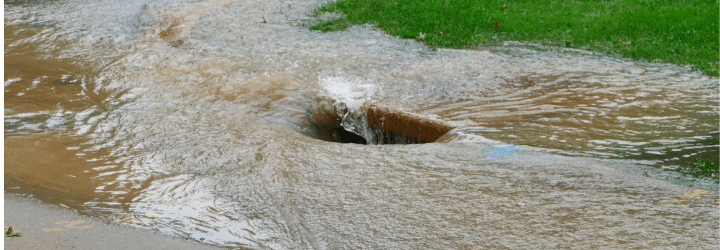
When there is a storm, your sewer line is being drenched. The soil around your line absorbs the moisture, placing added pressure on the pipes. The pipes can’t withstand all the moisture the soil is putting on them, which causes leaks. There is also a difference between your sanitary sewer line and your storm line. Your sanitary sewer line takes wastewater from your home. Your storm line takes the runoff away from your home. If the sanitary sewer line becomes overwhelmed with stormwater, it can back up and damage the lines. In areas with frequent storms, poor drainage can cause wastewater to back up into the home.
Resource: epa.gov
Why Are Older Sewer Lines More Vulnerable?
Colorado Springs has many older neighborhoods, and the homes and sewer lines were all built decades ago. Most sewer lines were made with either clay tile or cast iron. Over time, the materials will break down. Clay can crack and shift, and cast iron rusts. It rusts from the inside out, which thins the wall and creates rough surfaces that catch debris. A sewer pipe that is several decades old may leak or break. Repeated freezing, thawing, and soil movement can make the damage worse. The pipe weakens, so when it rains, pressure builds, causing further damage. It is important to have an older line inspected, especially in Colorado, where storms can happen at any time.
How Is Colorado’s Soil a Threat?
It is a problem we see almost every time. Colorado Springs has clay-rich soil that expands and contracts with changes in moisture levels. When it is wet, it swells. When it is dry, it shrinks. This makes it hard to install sewer lines in the area. The soil moves constantly, and over the years, this can cause cracks or joint separations. When it rains, the soil quickly absorbs water and swells. Your pipes are stressed. You don’t know what issues you’ll have until the rain stops. Tree roots seek moisture. Even a small crack in a sewer line can attract them. Roots can enter through a crack or loose joint. As they grow, they widen the opening and block the pipe. If it isn’t caught, a root clog can cause a full pipe break. Many Colorado Springs yards have mature trees, so root damage is a common cause of sewer line problems.
Resource: coloradogeologicalsurvey.org
What Is Stormwater Infiltration?
Stormwater infiltration occurs when rain that should be draining off your property instead enters your sewer line. It enters the line through cracks, deteriorated joints, or improperly tied-in downspouts, drains, or connections. The problem is the volume of water. Your sewer line is designed to carry wastewater from your home, not the massive volume from stormwater. When stormwater enters, your sewer line suddenly has to handle much more. This extra water can make drains run slowly, gurgle, or back up during and after heavy rain. You can reduce this risk to your line by identifying and fixing sources of stormwater infiltration.
How Can Heavy Rain Cause Sewer Backups?
The backup occurs when the water has nowhere to go and flows backward into your home. Heavy rain can overwhelm a sewer line in several ways. Rising groundwater, stormwater infiltration, tree roots, and an overloaded city system can all cause backups. As a result, sewer can flow back up into your floor drain, basement fixtures, and toilets. This can result in a messy situation and a lot of worry on top of it. Raw sewage can create health risks. It can also damage basement floors, walls, and belongings. Since sewer backups typically occur during or shortly after a heavy storm, you need a strong sewer line to minimize damage.
What Are the Warning Signs of Sewer Line Problems?
Your home may warn you in advance when your sewer line is experiencing trouble. Look out for these common problems:
- Several drains throughout the home are running slow rather than just one clogged drain.
- Sewage water makes a gurgling noise as water goes down drains or out of toilets.
- Sewer smells in your yard or inside your house.
- Water standing in your yard after a storm.
- Two or more drains backing up at the same time.
- Soggy areas and sunken spots in your yard after a rain.
When several of these issues occur, it’s usually a sign that your main sewer line has a problem rather than an individual clog in a drain. Finding the problem early may help you avoid a major backup or broken sewer pipe.
Prevention Is Easier and Cheaper Than Fixing a Sewer Line
A few simple maintenance steps can help reduce the risk of costly sewer line problems during heavy rain. First, schedule routine drain cleaning to keep debris out of the sewer line. Avoid planting trees near the sewer line. Prune nearby roots when needed. Consider installing backflow preventers to prevent sewage from flowing backward into your home during a storm. Make sure your downspouts and drainage gutters direct water away from your home, not into the soil around it. Lastly, fix leaks and minor clogs as soon as possible. Small problems that are ignored now can cause a sewer line to fail during the next heavy rain season.
Resource: extension.colostate.edu
Why You Should Consider a Sewer Line Camera Inspection in Colorado Springs
A sewer camera inspection lets us see inside your sewer line. We check for cracks, roots, sagging sections, and corrosion. This is great to do before buying or selling a property because it prevents issues and surprises for both buyer and seller. If your sewer line is old, schedule an inspection before the rainy season. Heavy rain puts extra pressure on weak pipes. You can get an inspection that gives you a clear picture of what needs to be done, rather than guessing. You can then schedule repairs before the problem becomes an emergency.
Contact a Professional
Sewer line repairs or damage almost never fix themselves, and addressing a minor sewer problem early is usually easier and less costly than replacing your entire sewer line after it fails. Contact us if you notice issues with aging sewer pipes, soil shifting, or root intrusion, even if you’ve not experienced a sewer backup before. The important thing to know is to act fast! Sewer line repairs or damage almost never fix themselves, and addressing a minor sewer problem early is usually easier and less costly than replacing your entire sewer line after it fails.
Final Thoughts
Heavy rain, clay soil, mature trees, and aging pipes can threaten sewer lines in Colorado Springs. Do not wait for a backup to happen. Contact Spotted Dog Excavating Sewer & Water Repair to schedule an inspection before the next rainy season.