Our homes are sanctuaries where we retreat after a long day’s work to enjoy comfort, privacy, and peace. However, even within the safest and most insulated walls, there is an intricate network of systems that, when neglected, can turn those havens into headache-inducing hazards. Among these is the often-forgotten integral system of sewers and water lines. If you’re a Colorado homeowner, these maintenance tips are especially crucial given the region’s climate and unique concerns. Here’s a comprehensive guide to keeping your most vital plumbing systems in check.
Definition:
https://www.merriam-webster.com/dictionary/intricate
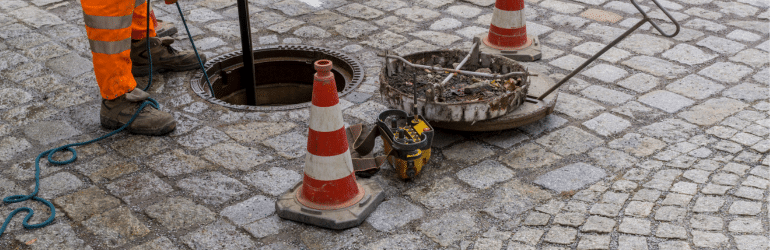
Why Maintaining Your Sewer and Water Systems is Vital
Sewer and water systems are like the veins and arteries of your home, quietly doing their job out of sight and mind. When these systems function as they should, life at home is smooth sailing. However, when they fail, the results can be catastrophic. Understanding the importance of regular maintenance is the first step toward safeguarding your property.
Sewer and water issues are not just inconvenient; they are also costly. A burst pipe or a backed-up sewer can cause extensive water damage, lead to mold growth, and even compromise the structural integrity of your home. In the long run, maintaining your sewer and water systems can save you from the financial strain of significant repairs or replacements.
Signs You Need to Address Sewer and Water Problems
Being proactive about home maintenance starts with recognizing the early warning signs of sewer and water issues. Some signs are more subtle, while others are impossible to ignore. Here are a few you should look out for:
Slow Drains
If your sinks or bathtubs are slow to drain, it could indicate a clog in the system. Addressing this early can prevent a complete blockage.
Foul Odors
Unpleasant smells from drains can be a red flag for a sewer issue. They might be telling you that there is a blockage or other problem in your sewer line.
Water Backups
Water backflow in your sinks or toilets indicates a plumbing issue requiring immediate attention.
Being mindful of changes in your home’s plumbing behavior can help you catch potential issues before they become significant problems.
DIY Maintenance Tips for Sewer and Water Health
While some issues will undoubtedly require the expertise of a professional plumber, you can perform several maintenance tasks to keep your sewer and water systems in top condition.
Regular Inspections
An ounce of prevention is worth a pound of cure. Perform regular visual inspections of accessible plumbing components. Look for signs of corrosion, rust, leaks, or other potential problems.
Proper Disposal Practices
What you flush down your toilet or pour down your sink matters. Avoid putting grease, oil, large food scraps, or non-flushable items down your drains. Invest in catch baskets and mesh screens for sinks and showers to prevent debris from going where it shouldn’t.
Preventive Measures
Simple tasks like emptying your washing machine’s lint trap, flushing your water heater annually, and keeping sewer vents clear of debris can help prevent common issues.
DIY Cleanouts
Keep your cleanouts accessible and know how to use them. If you encounter a blockage, a cleanout can be your best friend, allowing you to clear it out without professional help.
When to Call a Professional
Despite the benefits of DIY maintenance, there are times when you should undoubtedly enlist the services of a professional plumber. Here are a few instances where professional intervention is a must:
Persistent Problems
If you continually experience the same issue despite your best DIY efforts, it’s time to call in a professional. There may be an underlying problem that only a plumber can diagnose and fix.
Major Repairs or Replacements
A professional’s expertise is indispensable for significant repairs or replacements, such as a broken sewer line or a water heater installation. Remember, attempting complex maintenance without the proper knowledge and tools can exacerbate the problem and lead to more extensive damage.
Preventive Measures for Long-Term Sewer and Water Maintenance
Sewer and water maintenance involves more than reacting to problems as they arise; it also consists of implementing measures to prevent them.
Upgrading Old Systems
If your home’s plumbing is older or uses outdated materials, it may be more prone to issues. Consider upgrading to modern, more durable plumbing systems.
Implementing Root Control
Tree roots are a common cause of sewer line blockages. Work with a professional to develop a root control plan that includes regular inspections and treatments to prevent root intrusion into your sewer line.
Temperature Monitoring
In Colorado’s unique climate, fluctuating temperatures can damage plumbing. Monitor temperature changes vigilantly to prevent frozen pipes during the winter.
Professional Drain Cleaning
While store-bought drain cleaning products can be helpful in minor clogs, periodic professional drain cleaning can clear out buildup you can’t see or reach and keep your sewer and water systems flowing freely.
Final Thoughts
The last thing you want to deal with is a broken sewer or water line. By staying informed about the signs to look out for, mastering some DIY maintenance techniques, knowing when to call in the professionals, and implementing long-term preventive measures, you can ensure your home’s sewer and water systems continue to run smoothly.