A sump pump is a small, powerful pump installed in the lowest point of your basement or crawl space. It collects groundwater and pushes it away from your home before it floods the space below. For families across the area, a working sump pump is often the first line of defense against a wet, damaged basement.
For busy households, keeping that pump in shape takes only a few simple habits. The tips below answer the questions homeowners ask most about sump pump care, so you can protect your basement without guessing.
Estimated reading time: 5 minutes
Resource: wikipedia.org
Key Takeaways
- A sump pump protects your basement by moving water out and preventing flooding.
- Test your sump pump every three to four months, especially before rainy seasons, to ensure it functions properly.
- Perform regular maintenance: clean the sump basin, check the discharge pipe, inspect the float switch, and clean the inlet screen.
- Consider a backup system for added protection during heavy rain and power outages, such as a battery or water-powered pump.
- Replace an aging sump pump after 7 to 10 years to avoid unexpected failures and costly repairs.
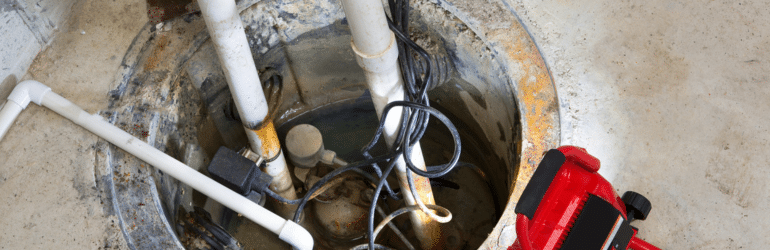
Table of contents
What Does a Sump Pump Actually Do?
A sump pump moves water out of your basement to keep it dry. Water collects in a pit called a sump basin, and once the water reaches a set level, a float switch turns the pump on. The pump then sends that water through a discharge pipe and away from your foundation.
Two common types exist. A submersible pump sits inside the basin and runs quietly underwater. A pedestal pump keeps its motor above the pit, making repairs easier and often extending the motor’s life. Both models protect your basement from standing water that damages floors, walls, and belongings.
How Often Should You Test a Sump Pump?
Test your sump pump every three to four months, and always before a rainy season. Regular testing confirms the pump turns on properly before you need it during heavy rain.
Here’s a simple test you can do in a few minutes:
- Slowly pour a bucket of clean water into the sump basin.
- Watch for the float switch to rise and start the pump.
- Confirm the water drains out and the pump shuts off on its own.
If the pump fails to start, runs without stopping, or drains slowly, something needs attention. A pump that struggles during a calm test may also struggle to keep up during heavy rain.
What Maintenance Does a Sump Pump Need?
Routine sump pump maintenance keeps the system reliable and helps you avoid emergency repairs. A short seasonal checklist covers most of what your pump needs.
Clean the Sump Basin
Remove dirt, gravel, and debris from the pit a few times a year. Buildup can jam the float switch or clog the pump intake, preventing proper drainage.
Check the Discharge Pipe
Make sure the discharge line stays clear and points water away from your foundation. A blocked or frozen pipe sends water right back toward your home.
Inspect the Float Switch
Confirm the float moves freely and isn’t stuck against the basin wall. A stuck float can prevent the pump from turning on when water reaches the basin.
Clean the Inlet Screen
Clear the small screen or opening where water enters the pump. A clean intake keeps the motor from working too hard and wasting energy.
Do Sump Pumps Need a Backup System?
A backup system protects your basement when the main pump loses power or fails during a storm. Power outages often happen during the same heavy rains that flood basements, so a backup fills a real gap.
Two options work well for most homes. A battery backup pump runs when the electricity goes out. A water-powered backup uses your home’s water pressure and needs no battery. Either choice adds protection during severe weather, which brings real peace of mind for families in flood-prone areas.
How Long Does a Sump Pump Last?
Most sump pumps last about 7 to 10 years, though the exact lifespan depends on how often the pump runs and how well you maintain it. A pump that cycles frequently may wear out sooner than one that runs only during occasional storms.
Watch for these signs that a pump is nearing the end of its life:
- Strange grinding or rattling noises during operation
- Visible rust or corrosion on the motor
- Frequent cycling on and off
- Strange grinding or rattling noises during operation
- Constant running with no clear reason
- Age beyond the ten-year mark
Replacing an aging pump before it fails can reduce the risk of unexpected basement flooding and water damage.
When Should You Call a Professional?
Call a professional when your pump keeps failing, makes unusual noises, or can’t keep up with incoming water. Some problems point to wiring issues, a failing motor, or drainage trouble that goes beyond a simple cleaning.
Certified technicians can inspect the full system and test the discharge line. Professional installation can also help make sure the pump, basin, discharge line, and backup components are set up correctly. Spotted Dog Excavating provides sump pump installation, inspection, and drainage services for homeowners in Colorado Springs and surrounding areas.
Resource: consumerreports.org
Simple Habits That Protect Your Basement
Small, steady maintenance beats a costly emergency every time. A quick seasonal routine keeps your basement dry and your pump ready:
- Test the pump every few months.
- Clean the basin and inlet screen.
- Keep the discharge pipe clear.
- Add a backup for storm protection.
- Schedule a professional check once a year.
Routine sump pump care helps protect your basement from water problems. Contact Spotted Dog Excavating to schedule a sump pump inspection or discuss the right drainage setup for your home.