A damaged underground water line leaves homeowners with an important decision. Should you repair the affected section or replace the entire pipe? The answer often depends on the pipe material, age, and how extensive the damage is.
Older galvanized steel pipes are especially vulnerable to corrosion, and replacing heavily deteriorated lines is often better than repairing them. Copper and modern plastic pipes, however, may be suitable for localized repairs when the surrounding material remains in good condition.
For Colorado Springs homeowners, freezing temperatures and soil movement can further complicate the decision. Understanding how different pipe materials deteriorate can help you make a more informed decision about repair or replacement.
Key Takeaways
- Homeowners face a choice between water line repair or replacement based on pipe material, damage extent, and condition.
- Galvanized steel pipes typically need replacement due to corrosion, while copper and newer types may allow localized repairs.
- Colorado Springs’ freezing temperatures and soil movement complicate decisions regarding water lines.
- For repair, damage should be isolated, and the remaining pipe should be sound; otherwise, replacement may be necessary.
- Proper assessment by a professional helps determine the best approach for water line issues.
Estimated reading time: 6 minutes
How Does Pipe Material Affect Water Line Repair?
Different pipe materials respond differently to corrosion, temperature changes, soil movement, and physical damage. The material also determines which repair methods are appropriate.
Before recommending a solution, a contractor should assess:
- Pipe material: Copper, galvanized steel, polyethylene, PVC, or another material.
- Age and condition: Whether deterioration extends beyond the damaged section.
- Type of damage: An isolated puncture, cracked joint, or widespread corrosion.
- Repair history: Previous leaks that may indicate broader problems.
- Installation conditions: Pipe depth, accessibility, and surrounding soil conditions.
A professional inspection can help determine whether the existing water line is suitable for repair or requires replacement.
Which Water Line Materials Are More Likely to Need Replacement?
Although any pipe material can leak, some are more susceptible to specific types of damage.
Galvanized Steel Pipes
Galvanized steel was commonly installed in older homes. Its protective zinc coating deteriorates over time, allowing corrosion and mineral deposits to develop.
Rust-colored water, reduced pressure, and recurring leaks may indicate significant deterioration.
Repair or replace?
Full replacement may be better than repeated repairs for deteriorated galvanized steel water lines. Corrosion can affect areas beyond the visible damage, leaving other weakened sections vulnerable to future leaks.
Copper Water Lines
Copper is durable and commonly used in residential plumbing. However, corrosion, soil conditions, and ground movement can contribute to pinhole leaks or structural damage.
Repair or replace?
A single leak in an otherwise sound copper pipe may only require a sectional repair. Multiple pinhole leaks or extensive corrosion may justify replacement.
Polyethylene Water Lines
Polyethylene pipes, including high-density polyethylene (HDPE), are commonly used for underground water service lines. Their flexibility helps them accommodate some ground movement.
However, excavation damage, excessive stress, and faulty fittings can cause leaks.
Repair or replace?
You can repair an isolated leak or damaged fitting if the remaining pipe is in good condition. Repeated leaks or widespread damage may warrant replacement.
PVC Water Lines
Pressure-rated PVC is used in certain underground water supply applications. Although corrosion-resistant, its rigid structure makes it vulnerable to cracking under excessive stress.
Repair or replace?
A damaged joint or isolated crack may be repaired by replacing the affected section. Widespread cracking or recurring failures may warrant replacement.
Polybutylene Water Lines
Some residential plumbing systems were installed with polybutylene in previous decades. The material has a history of premature failures associated with degradation and certain fittings.
Repair or replace?
You can sometimes repair individual leaks, but replacement is often worth considering because other sections may remain vulnerable.
When Is Water Line Repair the Better Option?
Repair is generally appropriate when damage is limited to one location and the remaining pipe is structurally sound.
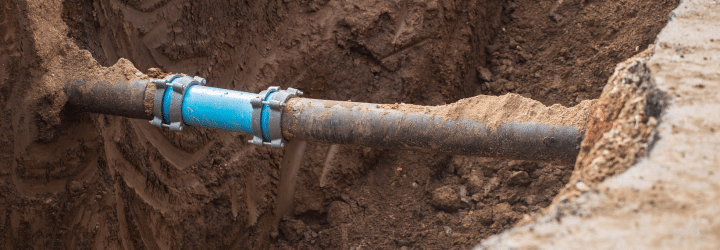
For example, a newer polyethylene line damaged during landscaping may require replacing only a short section.
Repair may be the better option when:
- The leak is isolated and accessible.
- The surrounding pipe shows no significant deterioration.
- The line has no history of recurring failures.
- The repair method is compatible with the existing material.
A targeted repair typically requires less excavation and costs less initially than replacing the entire line. However, the original pipe material remains an important consideration, especially with older galvanized steel lines.
When Should You Replace Your Water Line?
Complete replacement may be necessary when the existing pipe can no longer provide reliable service. Common reasons include:
- Galvanized steel piping with significant corrosion or deterioration
- Extensive corrosion or structural deterioration.
- Multiple leaks along the same pipe.
- Significant restrictions in water flow.
- Repeated failures involving aging or unsuitable materials.
- Repair costs approaching the expense of replacement.
The pipe’s location also matters. Repeated excavation beneath driveways, landscaping, or other permanent features can make ongoing repairs especially expensive.
How Do Colorado Springs Conditions Affect Water Lines?
Colorado Springs experiences freezing temperatures and changing soil conditions that can affect underground water lines.
Pipes installed too shallow may be more vulnerable to freezing. As water expands inside a frozen pipe, it can create pressure that damages weakened sections.
Soil settlement and movement can also place stress on buried pipes. Flexible polyethylene can accommodate some movement, while rigid materials are more prone to cracking. A contractor should consider these conditions when assessing whether an existing pipe can be repaired reliably.
Resource: epa.gov
Can You Replace a Water Line Without Excavating Your Entire Yard?
In some cases, trenchless water line replacement can require less excavation than traditional open-trench installation.
Certain trenchless methods use smaller access areas to install a replacement line underground. However, suitability depends on the pipe route, soil conditions, nearby utilities, and available access.
Frequently Asked Questions About Water Line Repair and Replacement
How Can I Identify My Water Line Material?
A contractor may examine exposed pipe sections, review available property records, or identify the material during an inspection. Your home’s age may offer clues, but previous plumbing work can make this unreliable.
Is Water Line Repair Cheaper Than Replacement?
A localized repair generally costs less initially. However, replacing a deteriorated line may cost less over time when repeated repairs and excavation expenses are likely.
How Long Do Underground Water Lines Last?
Service life varies by material, installation quality, water chemistry, and environmental conditions. Many underground water lines last several decades, but age alone doesn’t determine whether replacement is necessary.
Can a Leaking Water Line Damage My Foundation?
Yes. Water escaping near a foundation can saturate or erode the supporting soil, potentially contributing to settlement or movement. Addressing underground leaks promptly can help limit further damage.
Should I Replace an Old Water Line Before It Leaks?
Replacement isn’t always necessary just because a pipe is old. However, significant corrosion, restricted flow, or outdated pipe material may justify a professional assessment.
Get Professional Water Line Repair or Replacement in Colorado Springs
Choosing between repair and replacement depends on your pipe material, the extent of the damage, and the condition of the remaining line.
Spotted Dog Excavating Sewer and Water Repair provides water line repairs, full replacements, and trenchless solutions throughout Colorado Springs and surrounding communities. Contact Spotted Dog Excavating for a free estimate and help determining whether repair or replacement is appropriate for your line.